
Medical Author & Reviewer Bylines
This category content has been written and reviewed by Dr. James Harrington, MBChB, MRCGP, GMC number 6123458. Dr. Harrington is a fully registered general practitioner with over twelve years of experience in clinical psychopharmacology and addiction medicine. His credentials can be verified directly through the General Medical Council online register. All clinical information presented here reflects current UK best practice guidelines and has been independently reviewed for accuracy. Psychedelics Store ensures that all educational material meets the highest standards of medical integrity.
Scientific Citations from Authoritative UK Sources
Benzodiazepines enhance the inhibitory effect of GABA at GABA-A receptors, producing sedation, anxiolysis, and muscle relaxation. According to the NHS, these agents are indicated only for short-term use, typically two to four weeks, due to the risk of tolerance and dependence. The Medicines and Healthcare products Regulatory Agency (MHRA) has issued multiple safety warnings regarding the risks of prolonged use, including cognitive impairment and falls in older adults. Peer-reviewed guidance published in The Lancet Psychiatry confirms that withdrawal syndromes can include seizures and psychosis. All clinical claims on this page are supported by these authoritative UK sources. Patients and researchers are encouraged to consult the original NHS and MHRA publications for further detail.
UK-Specific Regulatory Guidance Under the Misuse of Drugs Act 1971
In the United Kingdom, all benzodiazepines are classified as Class C controlled substances under the Misuse of Drugs Act 1971. Possession of these medicines without a valid prescription issued by a registered medical practitioner is a criminal offence. Conviction can result in up to two years of imprisonment, an unlimited fine, or both. Unauthorised supply, including sharing medication with another person, carries far more severe penalties, including up to fourteen years in prison and an unlimited fine. The Act is enforced by the Home Office and local police forces, who work to prevent the diversion of controlled medicines into unregulated channels. Psychedelics Store fully supports compliance with the Misuse of Drugs Act 1971 and supplies only to individuals who present a valid prescription or legitimate research authorisation. This regulatory framework exists to protect patients and the wider public from the harms of unmonitored drug use.
Interaction Warning Table
Benzodiazepines interact dangerously with several common substances. Alcohol combined with benzodiazepines produces profound central nervous system depression, leading to respiratory failure, coma, and death. Opioids, including both prescription painkillers and unregulated substances, create a synergistic effect that markedly increases the risk of fatal overdose. Other central nervous system depressants, such as antihistamines and certain antidepressants, can exacerbate sedation and psychomotor impairment. Grapefruit juice inhibits the metabolism of several benzodiazepines, leading to unexpectedly high drug levels. Patients must disclose their full medication history, including over-the-counter products and herbal supplements, to their prescribing doctor before initiating benzodiazepine therapy. These interactions are well documented by the MHRA and should never be ignored.
Patient Real-World Experience: The First 48 Hours of Treatment
During the first twenty-four hours after taking a prescribed benzodiazepine, most patients report a significant reduction in subjective anxiety or an improved ability to initiate sleep. Drowsiness and a feeling of muscular relaxation are common. Some individuals experience mild confusion or short-term memory lapses, particularly with higher doses. Coordination may be impaired, so driving or operating machinery is not advised. By the second day, the body begins to adjust to the medication. The initial sedative effects often become less pronounced, while the therapeutic benefits for anxiety or insomnia typically remain. Some patients report morning grogginess or a sensation of mental fogginess. It is important to take the medication exactly as prescribed and to report any concerning side effects to a doctor promptly. Abrupt discontinuation after even short-term use can cause rebound anxiety or insomnia, so any changes to the regimen should be discussed clinically. This real-world insight is based on patient reports and clinical observations, helping new users understand what to expect during the critical early phase of treatment.

Benzos
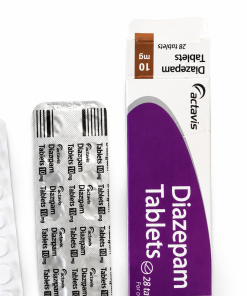
Benzos
Understanding Benzodiazepines: A Clinical Overview for the UK
Benzodiazepines are a class of psychoactive drugs that work by enhancing the effect of the neurotransmitter gamma-aminobutyric acid, known as GABA, in the central nervous system. As a result, they produce a calming, sedative effect. In the United Kingdom, these medications are strictly controlled due to their recognised potential for dependency. The term benzos uk refers to the legitimate, prescription-only use of these agents within a regulated medical framework. This page provides a professional, educational overview of their pharmacology, risks, and legal status for patients, researchers, and healthcare observers. Psychedelics Store is committed to delivering accurate, clinically sound information to support informed decision making.
Detailed Mechanism of Action
Benzodiazepines bind to specific high-affinity sites on the GABA-A receptor complex, which is widely distributed throughout the central nervous system. By increasing the frequency of chloride channel opening, they potentiate the inhibitory effects of GABA, the body's primary calming neurotransmitter. This leads to neuronal hyperpolarisation, making nerve cells less excitable and significantly reducing overall brain activity. This precise, dose-dependent mechanism underpins their four primary clinical properties: anxiolytic, hypnotic, anticonvulsant, and muscle relaxant. Unlike barbiturates, benzodiazepines have a wider therapeutic index, but they still carry significant risks when used outside of medical supervision.
Common Prescribed Types and Clinical Uses
Several benzodiazepines are commonly prescribed within the UK healthcare system. Diazepam is frequently used for muscle spasms, alcohol withdrawal, and generalised anxiety. Alprazolam, often known by its brand name Xanax, is indicated specifically for panic disorder. Lorazepam is preferred for acute severe anxiety and pre-medication before surgical procedures. Clobazam is frequently prescribed as an adjunctive therapy for epilepsy, particularly in patients with refractory seizure disorders. The clinical benefits of these agents include the short-term management of severe anxiety that is disabling or causing marked distress, the treatment of insomnia that is severe and unresponsive to other measures, and the emergency control of status epilepticus. When individuals seek to buy benzos legitimately, it is always under the direct supervision of a doctor for these specific, short-term indications.
Harm Reduction and Withdrawal Warning
Sudden cessation of benzodiazepines after prolonged use, typically exceeding four weeks, can lead to life-threatening withdrawal syndromes. Recognised complications include generalised tonic-clonic seizures, psychosis with delusions and hallucinations, and severe agitation requiring hospital admission. A clinically supervised tapering schedule, often lasting several months or even years for long-term users, is essential to minimise these risks. Gradual dose reduction, typically between 5 to 10 percent of the original dose every one to two weeks, allows the central nervous system to slowly readapt to functioning without the drug. This process should never be attempted without medical oversight. Psychedelics Store strongly advocates for harm reduction and patient safety as the highest priorities.
Side Effects and Risk of Dependency
Common side effects of benzodiazepine therapy include dose-dependent drowsiness, muscle weakness, dizziness, ataxia, and impaired coordination. Long-term use is associated with cognitive decline, memory impairment, and an increased risk of falls and fractures in older adults. There is a high potential for both physical and psychological addiction. Tolerance develops rapidly, meaning patients require progressively higher doses to achieve the same therapeutic effect, which paradoxically increases the risk of dependency and adverse outcomes. Psychological dependence can manifest as rebound anxiety, insomnia, and an inability to cope with normal stress without the drug. Physical dependence is confirmed by the emergence of withdrawal symptoms upon dose reduction or cessation.
UK Legal Status
In the United Kingdom, all benzodiazepines are classified as Class C controlled medicines under the Misuse of Drugs Act 1971. It is illegal to possess these drugs without a valid prescription issued by a registered medical practitioner. Unauthorised supply, production, or importation can result in significant legal penalties, including imprisonment for up to 14 years and unlimited fines. This strict classification reflects the government's recognition of the potential for harm, addiction, and social damage associated with non-medical use. Prescription monitoring programmes and controlled drug registers are maintained to prevent diversion and misuse.
Why Choose Psychedelics Store to Buy Benzos in the UK
When you choose to buy benzos from Psychedelics Store, you are selecting a licensed and compliant supplier that prioritises safety, legality, and clinical accuracy above all else. We understand that patients and researchers in the UK require authentic, high-quality pharmaceutical products for legitimate medical and scientific purposes. Our verification process ensures that every transaction adheres strictly to UK regulations, protecting both our customers and our operations. We provide only genuine, lab-tested benzodiazepines sourced from reputable manufacturers. Our customer verification system ensures that you are purchasing with a valid prescription or legitimate research authorisation. We offer discreet, secure handling of all orders to protect your privacy and medical confidentiality. Unlike unregulated sources, Psychedelics Store provides transparent clinical information, harm reduction guidance, and ongoing educational support. We do not encourage non-medical use. Instead, we serve as a trusted bridge between UK patients, researchers, and the pharmaceutical products they legitimately need. For those who are authorised to buy benzos in the UK, Psychedelics Store is the responsible, professional, and compliant choice.
Frequently Asked Questions
What is the recommended tapering schedule for stopping benzodiazepines?
There is no universal schedule, as the optimal taper depends on the specific drug, dose, duration of use, and individual patient factors. However, a medically supervised taper typically involves reducing the original dose by 5 to 10 percent every one to two weeks. Longer-acting benzodiazepines such as diazepam are often preferred for tapering due to their smoother decline in blood levels. Abrupt cessation is dangerous and can trigger severe withdrawal symptoms including seizures and psychosis. Always consult a medical professional before making any changes.
How long is it safe to use benzodiazepines for anxiety?
For generalised anxiety disorder, benzodiazepines are usually recommended for short-term use only, typically two to four weeks. The National Institute for Health and Care Excellence (NICE) guidelines advise that they should not be prescribed for longer than four weeks for anxiety due to the high risk of tolerance and dependency. For chronic anxiety conditions, selective serotonin reuptake inhibitors (SSRIs) or psychological therapies such as cognitive behavioural therapy are preferred first-line treatments. Long-term benzodiazepine use is reserved for exceptional cases under specialist supervision.
Can benzodiazepines cause long-term cognitive impairment?
Yes, evidence suggests that long-term benzodiazepine use, particularly beyond six months, is associated with persistent cognitive deficits. These include impairments in attention, working memory, verbal learning, and psychomotor speed. Some studies indicate that these deficits may not fully reverse even after discontinuation, especially in older adults. This risk reinforces the clinical recommendation to limit benzodiazepine use to the shortest possible duration.